Watercolor Horse: An Embroiderer’s Honest Take for Real Projects
First Impressions: Soft, Artistic, and Versatile
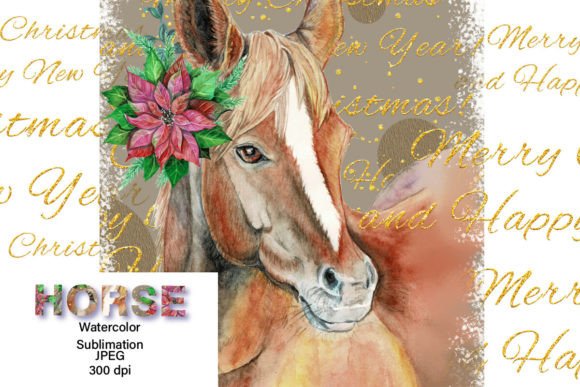
Opening the Watercolor Horse embroidery file, the first thing that stands out is its painterly quality. The design mimics a watercolor painting with soft edges, gentle gradients, and a loose, expressive style. It’s not a crisp, cartoonish illustration — this is a mood-driven piece that leans into artistic abstraction.
For embroidery designers and Etsy sellers, that’s both a strength and a consideration. Watercolor Horse feels like it belongs on boutique-style apparel, nursery decor, or a custom tote bag meant for a creative client. It’s not overly detailed, but it carries a strong visual identity that could elevate a handmade product.
How It Performs in Real Embroidery Projects
I tested Watercolor Horse on a few different materials and products to see how it holds up beyond the digital preview. Here’s what I found:
- Custom Sweatshirts & Tote Bags: This design shines on natural cotton and heavier fabrics. The softness of the image blends beautifully with the texture of the material, giving a handcrafted, artisanal feel. It’s a great choice for boutique owners selling personalized embroidered totes or cozy hoodies.
- Baby Clothes & Nursery Decor: The gentle, whimsical nature of Watercolor Horse makes it a nice fit for baby items. On a onesie or a pillow in a nursery, it reads as sweet and sophisticated — not too flashy, but still distinctive.
- Embroidered Patches: When stitched onto a patch backing, the design keeps its artistic charm. It works best with a light stabilizer to avoid overpowering the subtle lines. Great for sew-on patches in a craft fair lineup or Etsy shop.
- Holiday & Wedding Gifts: I tried it on a linen tea towel for a holiday gift idea, and it looked elegant. Paired with a simple monogram or date, it becomes a meaningful, keepsake-style item.
Where to Use Watercolor Horse Carefully
Despite its beauty, Watercolor Horse isn’t a one-size-fits-all embroidery file. Here are a few situations where it needs extra attention:
- Dark Fabrics: The light tones and soft outlines can get lost on darker backgrounds. If you’re using it on black or navy, consider adding a light-colored underlay or testing a mockup first.
- Stretchy or Thin Fabrics: The design’s flowing lines can distort slightly on stretchy knits or thin cotton. Use a quality cutaway stabilizer and test on a scrap before committing to a final piece.
- Small Hoop Sizes: This design doesn’t scale down well. Too much detail gets lost, and the soft brushstroke effect disappears. Stick to medium to large hoop sizes for best results.
- Curved Surfaces (like caps): The organic flow of the horse’s mane and tail can shift on curved surfaces. You may need to adjust placement or simplify the background elements.
Impact on Product Value & Customer Appeal
Watercolor Horse adds a unique visual flair that many mass-produced embroidery files lack. For small shop owners and crafters, that’s a big plus. It helps handmade items feel more like art than decoration — which can justify a higher price point.
Customers respond well to this kind of design when it’s used thoughtfully. It feels personal, expressive, and just a little bit upscale. Whether it’s on a boutique sweatshirt or a custom wall hanging, it communicates a sense of care and creativity.
That said, it’s not a design to use casually across your entire product line. It works best as a signature piece — something that defines a collection or highlights a particular product as special.
Designer Notes: What to Check Before Stitching
Before you stitch Watercolor Horse into a real project, here are a few practical steps to take:
- Test on Scrap Fabric: Always start with a test run. This design has subtle shading that may not translate well on every fabric type.
- Review Thread Color Contrast: The file may include multiple thread colors. Make sure they contrast well with your fabric and enhance the watercolor effect.
- Check Stitch Density: Some areas may be lighter than others. Adjust density if needed to avoid gaps or a washed-out look.
- Confirm Hoop Size & File Format: Be sure the file is compatible with your machine and fits within your hoop. If not, you may need to resize or split the design.
- Inspect Small Details: Look closely at the finer lines — especially in the mane and background — to ensure they stitch clearly.
- Test in Black & White: Sometimes, the watercolor illusion breaks down in monochrome. Try a grayscale version to see how it holds up.
- Confirm Licensing: If you're selling finished items or digital products with this design, make sure you have the proper rights to do so.
Final Thoughts: A Design Worth the Thoughtful Effort
Watercolor Horse isn’t the easiest embroidery file to use, but it’s one of the more expressive ones I’ve worked with. It’s the kind of design that rewards attention — both in how it’s stitched and where it’s placed.
For creative entrepreneurs, Etsy sellers, and crafters looking to stand out, this design can be a strong asset. It elevates handmade products, adds a personal touch to custom gifts, and brings a sense of artistry to commercial embroidery work.
Just remember: Watercolor Horse is best treated like a featured piece, not a default. Use it where it can breathe, where the fabric supports its softness, and where the customer will appreciate its unique style.