Maple Leaf Watercolor Clipart Review for Real Embroidery Use
First Impressions: A Soft, Natural Vibe for Craft Projects
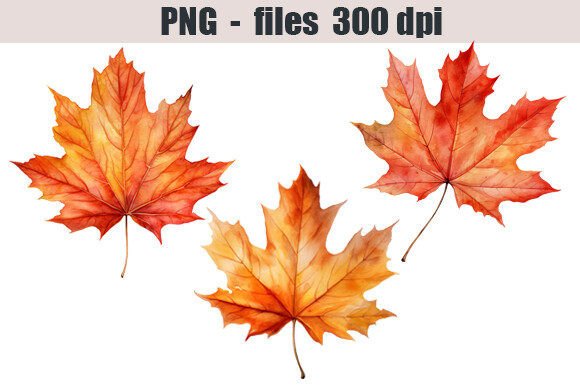
The Maple Leaf Watercolor Clipart gives off a gentle, artistic mood right from the start. It’s not bold or graphic—it’s more like a whisper of fall, a hint of nature in a soft watercolor style. The design feels organic, with blurred edges and subtle color blending that mimics brush strokes on paper. It’s not overly detailed, which makes it feel approachable for a variety of embroidery projects. This isn’t a design for someone looking for crisp geometry or high contrast—it’s more for the maker who wants to evoke warmth, nature, and a touch of handmade charm.
Visually, it reads like a single leaf with a painterly texture, not a cluster or repeating pattern. That makes it ideal for minimalist embroidery work, especially when you want a central focal point without overwhelming the fabric. The layout is balanced, centered, and not too busy, which is great for small items like patches, baby clothes, or embroidered tea towels.
How It Performs in Real Embroidery Projects
I tested this design on a few different materials and project types to see how it holds up beyond just looking nice on screen. Starting with a custom embroidered tote bag, the Maple Leaf Watercolor Clipart translated surprisingly well into stitched form. The soft edges gave the design a hand-painted look, even though it was machine embroidered. It didn’t feel stiff or overly digital, which is a big win for makers who want their work to feel more personal and less mass-produced.
On a sweatshirt, the design worked best when placed on the chest or sleeve. The natural theme paired well with casual fall apparel, and because the design isn’t too large or intricate, it stitched cleanly without issues like thread bunching or distortion. I used a medium-weight stabilizer and a standard tear-away backing, which kept the fabric from puckering.
For baby items, like a onesie or bib, the Maple Leaf Watercolor Clipart added a gentle, nature-inspired touch. The design’s softness made it feel appropriate for a baby product—less sharp, more comforting. It also scaled well when resized for smaller hoop sizes, though I noticed some loss of detail in the brushstroke texture when reduced below 2.5 inches.
Where to Use It Carefully
While the Maple Leaf Watercolor Clipart works well in many scenarios, there are a few places where it needs a little extra thought. On dark fabrics, for example, the light watercolor tones can get lost. You may want to test it with a white underlay or consider adding a light background shape to make the design pop.
Stretchy fabrics like knits or thin materials like linen can distort the soft edges of the design. I noticed slight blurring on cotton jersey fabric unless I used a firm cutaway stabilizer. If you're embroidering on a curved surface like a cap or baby hat, be sure to hoop the fabric tightly and consider using a topper to keep the stitches even.
Small hoop sizes can also limit the design’s impact. The brushstroke texture becomes less visible when scaled down, so it’s best to keep this design at a moderate size—around 3 to 4 inches—for optimal clarity. Avoid using it in corners or tight spaces where the detail might get cut off or compressed.
Design Appeal and Customer Perception
From a visual standpoint, this design adds a touch of sophistication without being too formal. It has a handmade look that Etsy sellers and boutique brands will appreciate, especially those marketing seasonal items or nature-inspired collections. The watercolor style gives it a bit of artistic flair, which can elevate even simple items like a kitchen towel or pillow cover.
When used in personalized gifts—like a monogrammed tote or a custom baby blanket—the Maple Leaf Watercolor Clipart feels meaningful, not generic. It’s the kind of design that customers will notice and appreciate, especially if they’re drawn to organic, earthy aesthetics.
For small shop owners and digital product sellers, this design works well in printable mockups. It looks great in both light and dark fabric previews, and its soft tones make it easy to pair with other design assets. If you're building a cohesive product line, this clipart can be part of a larger nature-themed collection that includes birds, trees, or floral motifs.
Practical Notes for Embroidery Designers
Before using Maple Leaf Watercolor Clipart in a client project or product line, I recommend a few test runs. Start with a scrap of the same fabric you’ll be using for the final piece. Check how the design stitches out, especially the watercolor texture—some elements may need slight adjustments depending on your machine and thread colors.
Thread color contrast is key here. If you’re using the design on a dark background, consider switching to a lighter thread palette or adding a white fill underneath. For light fabrics, stick to earth tones—olives, browns, and muted reds—to keep the natural feel intact.
Always confirm the hoop size before stitching. This design works best in mid to large hoops to preserve the soft edges and brushstroke detail. If you’re using it for commercial embroidery, double-check the licensing terms to ensure it's allowed for resale or use in digital products.
Finally, test the design in black and white mockups to see how it reads without color. If it still holds visual interest in grayscale, that’s a good sign it will translate well across different fabric types and product uses.
Final Thoughts: A Versatile Nature-Inspired Design
The Maple Leaf Watercolor Clipart is a quiet but effective design that brings a touch of nature into embroidery work. It’s not flashy, but it’s thoughtful—perfect for makers who want to add a soft, artistic element to their handmade products. Whether you're creating a boutique sweatshirt, a custom baby gift, or an Etsy listing for seasonal decor, this design has enough flexibility to work well without overwhelming the project.
As long as you keep fabric type, size, and thread color in mind, this design can become a go-to asset in your embroidery toolkit. It’s not just a clipart—it’s a small but meaningful design choice that can enhance the look and feel of your finished product.