Glass Jar Watercolor Clipart: A Brand Designer’s Review for Marketing & Visual Content
First Impressions: Soft, Organic, and Inviting
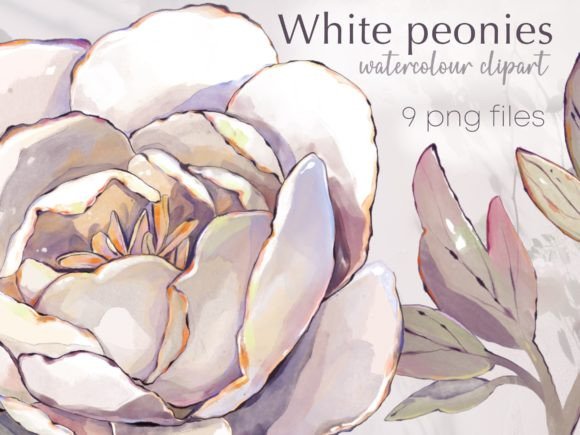
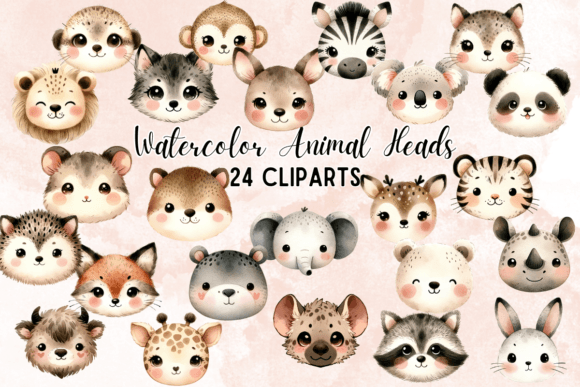
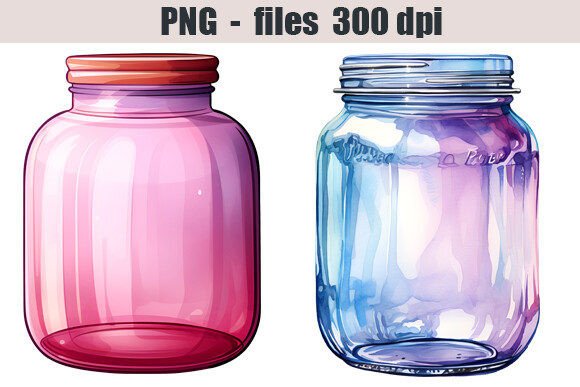
Glass Jar Watercolor Clipart immediately evokes a sense of warmth and approachability. The hand-painted textures and subtle transparency of the watercolor strokes give it a soft, artisanal feel. As a brand designer, this kind of illustration works exceptionally well for brands that want to communicate authenticity, craftsmanship, and a touch of nostalgia. Whether you're a small business owner launching a new line of organic skincare or a content creator building a seasonal Pinterest campaign, this design asset sets a gentle, emotionally resonant tone.
Mood & Emotional Tone: Perfect for Casual, Lifestyle, and Handmade Brands
The aesthetic of Glass Jar Watercolor Clipart leans toward the casual and organic. It feels handmade, which makes it ideal for branding in niches like food, wellness, natural products, DIY, and lifestyle content. It wouldn't feel out of place in a farmer’s market brochure or a cozy blog post about herbal tea blends. The emotional tone is calm and comforting—ideal for audiences who value simplicity, sustainability, and sincerity. It’s not overly formal, so it may not suit high-end luxury branding, but for brands that want to feel relatable and human, this illustration hits the right note.
How It Supports Brand Communication and Audience Trust
Visual consistency is key to building brand recognition, and Glass Jar Watercolor Clipart offers a cohesive, repeatable design element that can be used across marketing channels. When integrated thoughtfully, it enhances the visual storytelling of your brand by adding texture and warmth without overwhelming your message. Used in social media posts or email banners, it can guide the viewer’s eye while reinforcing your brand’s personality. For content marketers, this means better engagement and a stronger emotional connection with your audience.
Real-World Marketing Uses: From Packaging to Pinterest
Let’s imagine a small business launching a new line of homemade preserves. They need visuals that feel authentic and inviting. Glass Jar Watercolor Clipart could be used across multiple touchpoints:
- Packaging Design: As a background element on labels or as a decorative accent on product inserts.
- Social Media Graphics: Ideal for Instagram carousel posts or Pinterest pins showcasing seasonal flavors.
- Blog Graphics: Enhances recipe posts or behind-the-scenes stories with a warm, artisanal touch.
- Email Marketing: Adds visual interest to email headers and product announcement banners.
- Canva Templates: Works beautifully in branded content kits for bloggers or coaches who want to maintain a soft, cohesive look.
This design asset is especially effective when used in lifestyle branding, editorial design, or product storytelling where a human, handcrafted feel is desired.
Where It Shines: Campaign Headers, Branded Templates, and Visual Bundles
Glass Jar Watercolor Clipart excels in visual elements that need to stand out while maintaining a soft aesthetic. It works well in:
- Campaign Headers: Adds a gentle visual anchor to blog headers or landing page banners.
- Branded Templates: Perfect for creating consistent, on-brand visual kits for Canva users or creative entrepreneurs.
- Content Bundles: Helps unify a collection of digital products like lead magnets or printable planners.
- Social Media Covers: Offers a cohesive background for Instagram highlights or Facebook cover photos.
- Promotional Banners: Especially effective for seasonal campaigns or limited-time offers where warmth and approachability are key.
Where to Use It Carefully: Formal Branding and Dense Layouts
While this asset brings a lot of emotional value, it’s not a one-size-fits-all solution. Avoid using Glass Jar Watercolor Clipart in:
- Formal Corporate Branding: Its casual tone may not align with high-end or corporate visual identities.
- Dense Information Layouts: The soft edges and organic shapes can get lost or distract in data-heavy designs.
- Small Mobile Graphics: Details may not render clearly on tiny screens or in thumbnails.
- Text-Heavy Ads: It could compete with copy if not spaced properly.
- Minimalist Branding: May feel out of place in ultra-clean, modern brand aesthetics.
Practical Designer Notes: Testing, Pairing, and Licensing
Before finalizing your campaign visuals, here are some actionable steps to ensure Glass Jar Watercolor Clipart supports your brand effectively:
- Test with your brand color palette: See how the watercolor tones blend with your primary and secondary brand colors.
- Check black and white usage: Ensure it still reads well in grayscale, especially if your content will be printed or viewed in monochrome.
- Place it in real mockups: Preview how it looks in your actual campaign assets—social media, packaging, or web headers.
- Preview on mobile: Make sure the details remain visible and the overall look stays clean on smaller screens.
- Test readability at small sizes: If you’re using it as a background or accent, confirm it doesn’t interfere with legibility.
- Compare with competitor visuals: Does it help you stand out or blend in too much? Adjust placement or scale accordingly.
- Pair with different fonts: Try it with serif, sans serif, script, and display fonts to see what visual harmony it creates.
- Review spacing and balance: Don’t overcrowd the design. Give it room to breathe and support your visual hierarchy.
- Confirm commercial licensing: Before using in paid campaigns, client work, or product creation, ensure you have the right to use it commercially.
Final Thoughts: A Versatile Visual for Authentic Branding
Glass Jar Watercolor Clipart is a thoughtful graphic design asset that bridges the gap between artistic expression and strategic branding. It supports visual consistency, enhances emotional connection, and adds a touch of handmade charm to your marketing visuals. Whether you're a blogger curating a seasonal content kit or a product creator designing packaging inserts, this illustration brings both aesthetic and functional value to your creative workflow.
For brand owners and content marketers aiming to build trust and engagement through visual storytelling, this design asset is worth considering—not just for its beauty, but for how it aligns with real marketing goals and audience expectations.