Butterfly Watercolor Clipart: A Fresh Illustration for Blog and Editorial Design
First Impressions: Soft, Artistic, and Inviting
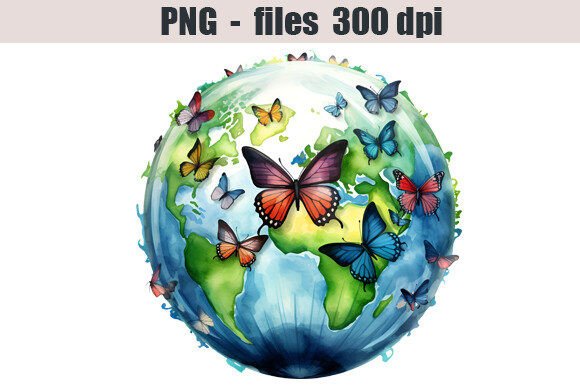
Opening the Butterfly Watercolor Clipart pack, I was immediately struck by the gentle, hand-painted textures and organic flow of the illustrations. This graphic design asset feels like a breath of fresh air for content creators aiming to add a touch of softness and visual warmth to their blog graphics and editorial layouts. The watercolor technique gives it a timeless, artistic quality that feels both modern and nostalgic—perfect for lifestyle blogs, creative entrepreneurs, and digital educators looking to build a warm, approachable brand identity.
Setting the Editorial Mood: Feminine, Playful, and Nature-Inspired
From a visual communication standpoint, Butterfly Watercolor Clipart naturally leans toward a feminine, nature-inspired aesthetic. The flowing lines and muted color palette evoke a sense of calm and creativity, making these illustrations ideal for niches like wellness, interior design, personal development, and eco-conscious living. They’re not bold or aggressive, but rather delicate and expressive—ideal for content that wants to feel comforting and visually engaging without overwhelming the reader.
Real Publishing Use: From Pinterest to Printables
As a blog designer, I often look for design assets that can be reused across multiple content formats. Butterfly Watercolor Clipart fits seamlessly into a variety of publishing workflows. I tested it in several real-world scenarios:
- Featured images for blog posts on self-care and nature journaling
- Pinterest pins for a digital guide download
- Email newsletter headers for a creative business course
- Category thumbnails on a lifestyle blog
- Lead magnet visuals for a seasonal planner printable
In each case, the illustrations elevated the visual hierarchy and added a professional, curated feel to the content. They also helped reinforce a consistent brand identity across different platforms.
How It Boosts Content Performance
One of the biggest challenges content creators face is standing out in a crowded digital space. Butterfly Watercolor Clipart helps solve that by enhancing the visual appeal of blog graphics and social media visuals. Here’s how it supports content performance:
- Strong first impression: The soft textures and flowing lines catch the eye without being jarring.
- Better click-through potential: Used in Pinterest pins or social media posts, these illustrations create a visual hook that invites engagement.
- Consistent branding: When used across blog headers, newsletters, and downloadable resources, the illustrations help build a recognizable visual identity.
- Reader trust: Professionally designed illustrations signal quality and attention to detail, which can increase reader confidence in your content.
- Improved category recognition: Applying the same illustrative style across different blog categories helps users navigate content more intuitively.
Best Use Cases for These Illustrations
Butterfly Watercolor Clipart shines brightest in the following publishing contexts:
- Hero images for lifestyle or creative blogs
- Article thumbnails with light text overlay
- Pinterest graphics for digital guides and lead magnets
- Newsletter headers in email marketing campaigns
- Content upgrades like printable planners or worksheets
- Social media previews for blog posts
- Canva templates used in affiliate marketing or online courses
When placed thoughtfully, these illustrations act as visual anchors that guide the reader’s eye and enhance the overall editorial design.
Where to Use with Caution
While the Butterfly Watercolor Clipart is versatile, it's not a one-size-fits-all solution. Here are some situations where it may need extra care:
- Small mobile thumbnails: The delicate details may get lost on tiny screens.
- Text-heavy blog images: Overly intricate backgrounds can make headlines harder to read.
- Low-contrast settings: These illustrations work best with strong color contrast to maintain readability.
- Busy layouts: In content-heavy pages, the watercolor style may compete with other visual elements.
- Corporate or serious niches: This style may not align with high-end professional branding or technical content.
- Minimalist websites: If your brand uses a very clean, modern design system, these illustrations might feel out of place.
Publisher Notes: Practical Tips for Real-World Use
Before dropping Butterfly Watercolor Clipart into your next content project, here are a few practical checks I recommend:
- Test on desktop and mobile screens: Make sure the illustrations look crisp and readable on all devices.
- Preview as a thumbnail: Check if the design holds up when scaled down for blog cards or Pinterest pins.
- Try it in a live blog layout: See how it interacts with headlines, body text, and sidebar elements.
- Overlay headline text: Test different font styles (serif, sans-serif, script, etc.) to ensure readability.
- Check contrast and color balance: Ensure the watercolor tones don’t wash out other design elements.
- Convert to black and white: Some illustrations may lose impact without color, so test accordingly.
- Review file size: Large image files can slow down your site—compress them for optimal web performance.
- Confirm commercial use license: Always verify that the design asset is cleared for use on monetized blogs, affiliate content, or paid digital products.
Final Thoughts: A Valuable Addition to Your Design Toolkit
For bloggers, digital educators, and small business owners looking to elevate their visual content, Butterfly Watercolor Clipart offers a flexible and aesthetically pleasing option. It brings a sense of artistry and warmth to editorial design and helps build a cohesive brand identity across digital guides, social media, and blog content. While it may not be ideal for every niche or layout, when used thoughtfully, this illustration set can significantly enhance the visual storytelling of your content marketing efforts.